I promised to write a post about the emotional side of this first passage and today, a few days later, I realize that an offshore passage on the northern Pacific is similar to childbirth. Yes, that’s right. You know that amnesia that sets in the minute that warm little body is placed in your arms? All the pain, all the work, all the laboring, all the names you called your husband during transition, is quickly forgotten in the glow of wonder that is your new baby. At least that’s how it worked for me. And that’s how this experience is working, too. I’m starting to forget the emotional downsides of the passage and bask in the glow of being in a new place and having gotten here under our own volition. So I figured I better get to it before amnesia took over.

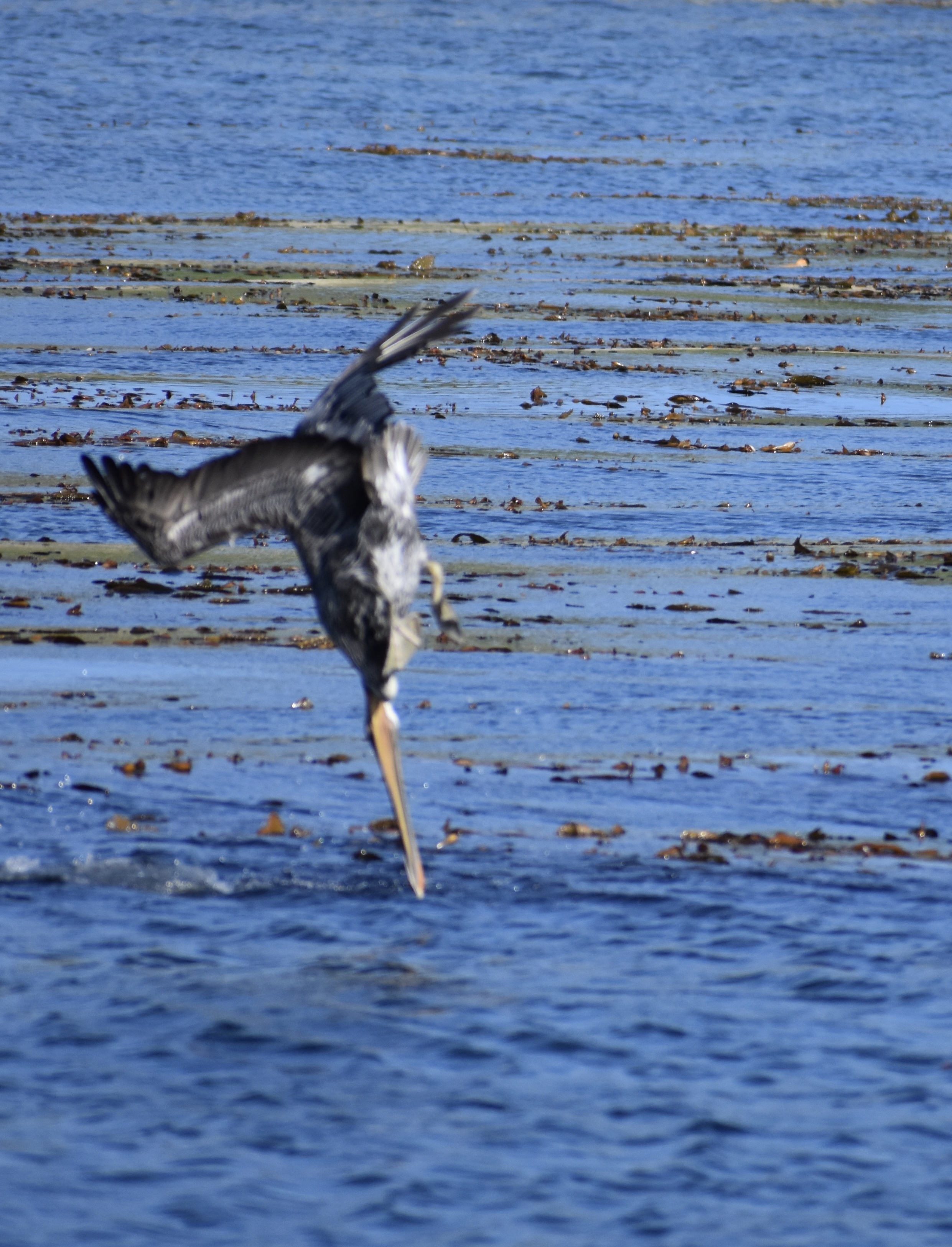
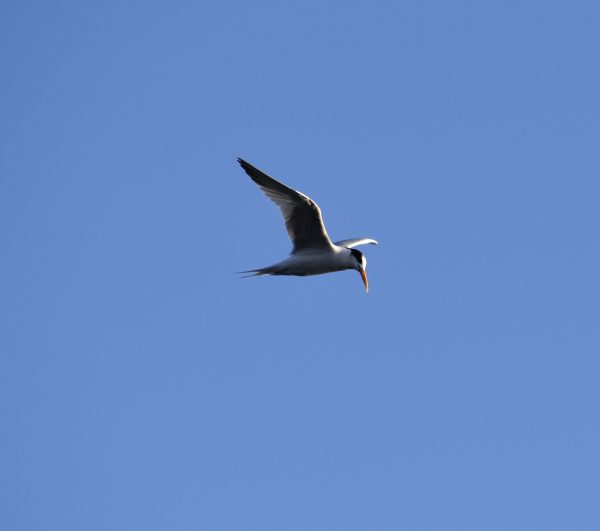
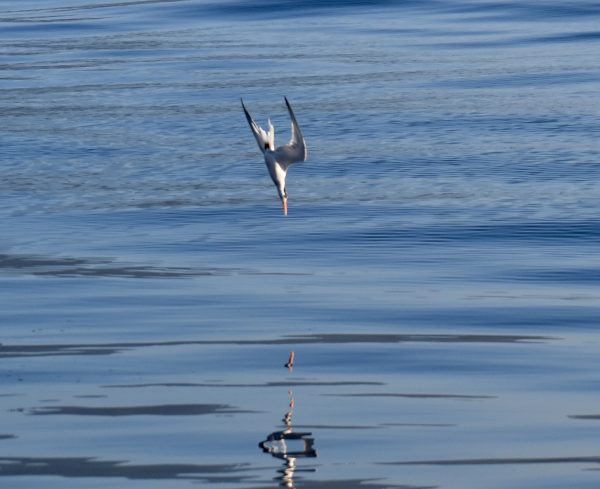
We enjoyed watching these Brown Pelicans dive for fish outside the Golden Gate.
The 6 days and 5 nights we spent at sea were filled with labor and focus that never ceased, even during sleeping times. There was always the movement of the boat, the droning of the engine when it was on, the sound of the waves rumbling under us; in short, it was an ‘active’ passage that took constant attention. There was really no downtime. Even when off watch, our bodies tensed to accept the crashing of the bow, or the feeling of dropping into space as we surfed down a wave front, or the heeling of the hull, or the corkscrewing as a wave took us just right. We timed our actions if we wanted to climb up the companionway ladder, or even cross the salon. On one particular day I literally crawled across the floor to reach a cabinet under the settee as it was a safer way to travel than trying to stand up. Imagine, if you will, that your house is constantly moving this way and that; that there is never any stillness to be had. I think the lack of stillness, ever, was the hardest part for me.
It’s a lot of work for your body to accommodate this amount of motion and noise 24 hours a day for days on end. This constant stimulation can and did cause irritability and a tendency to snap. If you are the kind of person who avoids crowds and other noisy things because energetically they are overwhelming, blue water sailing may, counter intuitively, not be for you without proper preparation. Noise fatigue is a real thing. It causes overall tiredness and is implicated in poor decision making. If you are going offshore, you need to be aware of noise fatigue and how it’s going to impact you after several days. Get some really good earplugs like these. They are worth the money.

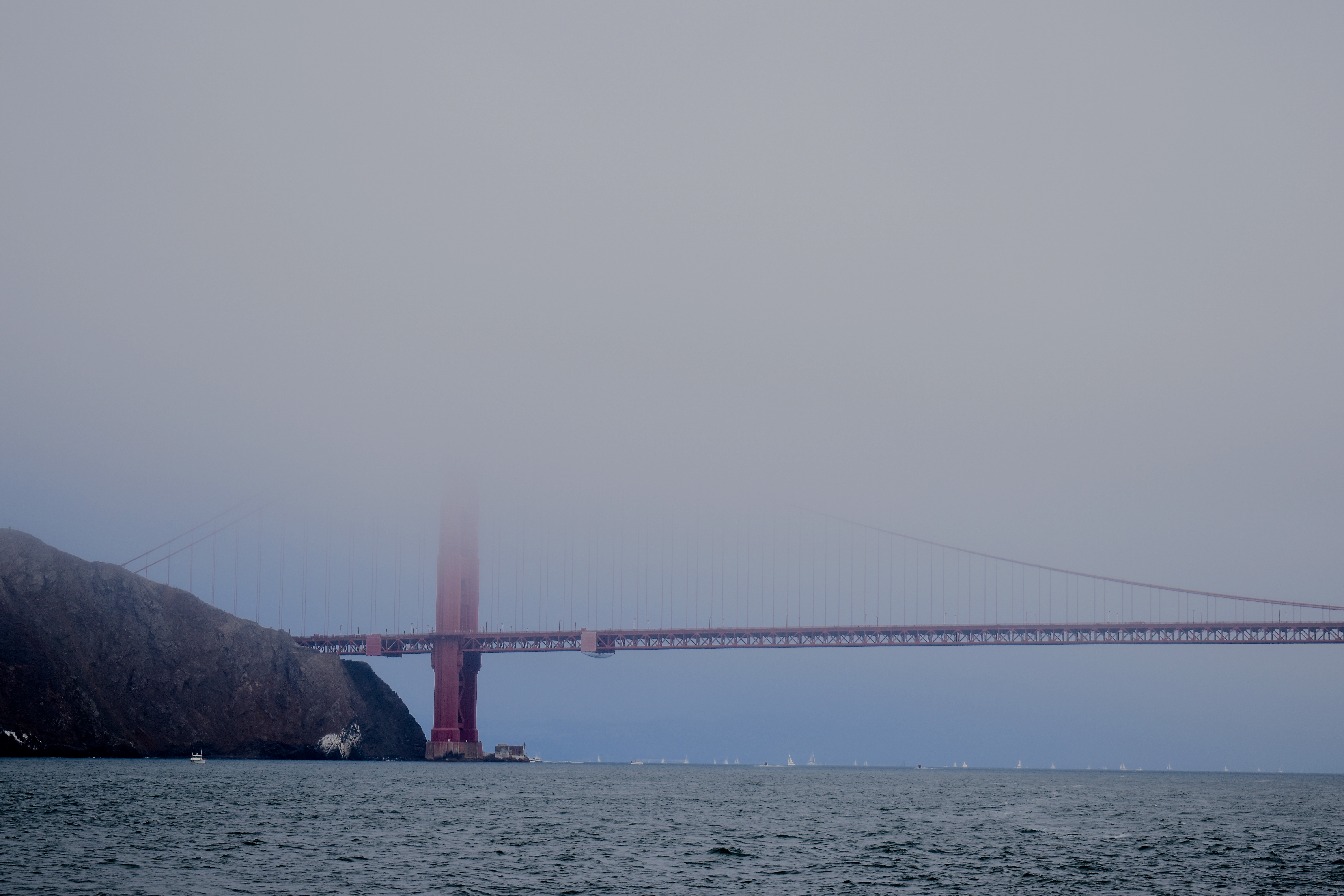
Pt. Bonita and our first glimpse of the Golden Gate Bridge.
With the motion of travel in the constant background, there was also the continual focus on equipment and how it was doing. Part of this is probably because it was our first multi-day passage on board Galapagos, but part is just because you can’t get complacent about systems. Mike, in particular, was acutely attuned to every noise the boat made. Was the propeller making a different noise than usual? What’s that small ‘ping’ noise? Is everything OK? Better go down and check the engine one more time. Why did the bilge pump just come on? Where is the water coming from? Are we getting exhaust water out the back like we should? Even in sleep, our bodies were tuned in to the noises of the boat, not unlike new parents who have one ear always listening to the gentle breathing of their child. This was worse for Mike than it was for me. He knows that if something goes amiss, he’s likely to be the one that will fix it.
Most sailors are familiar with all these activities and these feelings. In fact, for some of us the boat motion during a ripping good sail is part of the fun. I actually love the feeling of sailing down a wave. But the intensity of them, the unceasing movement, the knowledge that there will be days of this and no quiet anchorage to drop the hook at the end of the day; that’s much different on the open ocean than coastal cruising. It’s not the existence of these things that wears on the psyche. It’s their magnitude and their constant companionship. There is no ‘off’ button on the sea. Knowing this academically is much different than knowing it with your body.
We prepared for years to do this trip and once we were away from Neah Bay I breathed a sigh of relief. All of the goodbyes had been said. All the preparations that were going to be made had been made. Our boat was not perfect, but it was safe. Now we were just going to do it. I didn’t feel excitement, I just felt acceptance. “Here it is.”, I thought. “Now we do this thing. Whatever happens we’ll deal with it.” I never had any fear about this passage. I never had any anxiety about it. And everyone knows I have anxiety so that’s weird. But I think I came to some kind of fatalistic view where I just let go of worry and stepped off the cliff. So fear was something I did not have.

Approaching the bridge in the usual fog.
What I did have was 35 years of marriage to a man I know well and who I trust with my life. Let me tell you this: if you don’t trust the person you are on your boat with, don’t leave the shore. The ocean is big, and it’s lonely out there. You have to know you can count on your partner to have your back, to understand how you act when you get tired or afraid, and to be able to communicate with you. These things are as important as knowing how to sail the boat. Work these systems out before you leave the dock.
What I also had was a boat I trusted. This is key. There have been a number of times before we left that I’ve worried we bought the wrong boat. Galapagos is very big and heavy. I hate the way she handles in a close space with her full keel. I still get anxiety about going into marinas, although that’s way better now than it was. But we trusted Ted Brewer to know what he was doing when he designed her. And let me tell you this: she is excellent in every way on the sea. We totally have the right boat. I never even one time had a fear that she couldn’t handle way more than we could. And when the sails were set and she was used as a sailing vessel, the ride was comfortable if not always smooth. I shudder to think how this trip would have been had we kept our beloved Cal 34, Moonrise, and sailed her down to Mexico. If I had survived this trip in that boat, I would have kissed the ground in California and taken the first plane home. Feeling safe in your boat is number one. Feeling safe with your partner on board is number two.
So as we motored into foggy conditions, as usual, out of Neah Bay, I was accepting of whatever the trip was going to hold and confident we would make it to California. I had confidence in our boat and in my partner. Those things were key.

Approaching the Golden Gate Bridge, Mike and I both felt elated that we had accomplished this.
Then we began to sail. It was like all the greatest sails in all the sailing books you’ve read. The wind was 10-15 knots, the seas were gentle and an incredible shade of Prussian Blue. We saw humpback whales. We put out the headsail and the main and we flew along for miles and miles and miles just blissing out to finally being out on the sea, sailing this boat like she was meant to be sailed. We were having such a great time sailing that we completely paid no attention to how far offshore we were going. Turns out, we ended up 100 miles offshore before we decided we better tack back in. It was kind of a shame. We had such a good groove going. I think that was really the highlight of the trip, before the fatigue set in. After the second night watch, things began to be more difficult.
Note from my logbook:
“As the sun goes down I suddenly need a break from the cockpit. I am hand steering down waves trying to keep the boat from wallowing. We had taken the main down as we are traveling almost dead downwind to make any way south. The rolling is ridiculously tiring as the boat swings wildly from side to side. The vane can’t keep up with it and Mike is concerned about the autopilot. I suggested taking the main down (the wind was almost dead behind us and it was blanketing the jib) and it was quite a job, fraught with peril. I am glad for harnesses. Some slugs came out of the track, which didn’t surprise me at all and only made me irritated we didn’t prioritize a new track and get those slugs replaced. Now the main is out of commission until we have quiet water to get it sorted, not that quiet water is bloody likely out here. It’s not even stowed properly, just secured so it won’t blow around. Mike could barely hang on what with the waves and the rolling and I was trying to keep the jib flying and also help stow the aft part of the sail and reef lines. Ridiculous and dangerous and absolutely will not happen again. After hand steering and wallowing for 30 minutes and after that experience I needed a break. I had been in the cockpit for several hours. Below was a mess. I could barely walk from being flung around. Even in the midship cabin the motion was intense. Finally Mike turned the engine on and we began making way. (I slept.)
Now at 10:30 PM on watch and we are traveling 6.5-8 knots with the headsail and engine on a good track south and east. It’s a beautiful night with bright moon and waves just breaking at the top. Galapagos is racing the swells and they rumble under us with a great roar on occasion. I wish I could see them better but it’s magnificent.”

An emotional high point was when we were surrounded on all sides by hundreds of Pacific Whiteside Dolphins (we think?) hunting together. It was fantastic!
What a difference sleep makes in attitude and in resilience!
And that leads me to this: the single most important thing that impacts the emotional state during a passage at sea is fatigue; both noise fatigue and sleep deprivation. Sleep deprivation leads to emotional fragility. Know this and be aware of your own emotional patterns. Had I not been overly tired, I would have handled the mainsail fiasco much better and not almost had a meltdown, leaving Mike to take over my watch. I would have been aggravated by the mainsail issue, and determined not to see us put in that position again, but I wouldn’t have felt close to breaking down. It was truly a low point for me and I had to speak sternly to myself to snap out of it.
During this passage we did three hour watches, but I believe next time we will try 4 hour watches at night. We chose 3 hours because on our other overnight trips that’s what worked for us. But the difference is that those were only over 1 night, not several. You need enough sleep to get REM sleep and deep sleep. With a 3 hour watch, you just can’t get enough of either. Having an extra crew member, if it’s the right person, would also be a great way to share the load. We continue to be on the fence about this one.

Sunshine and warm weather greeted us as we emerged from the foggy world on the other side of the bridge. How do they do that? It’s like magic.
When we finally arrived by Bonita Point and approached the Golden Gate Bridge, I was surprised at the emotion that swept through me. We had come from a world of fog and shades of white and grey. As we passed underneath the bridge, it was like opening a door into a technicolor world of magic, like the Kingdom of Oz appeared to Dorothy. Suddenly, there was blue sky and hundreds of sailboats and bright sun and sparkling water. Had we paid attention, we probably could have heard the Angels sing. We shared a long hug and a kiss, and some tears that we had made it, we had done this thing we set out to do. We felt elated. We had given birth to a dream, then a plan. We had put the plan into action and so far, it had worked out. We knew if we had made that passage all in one stretch, we could do another. And another. The world was now open to us in ways it was not before.
I



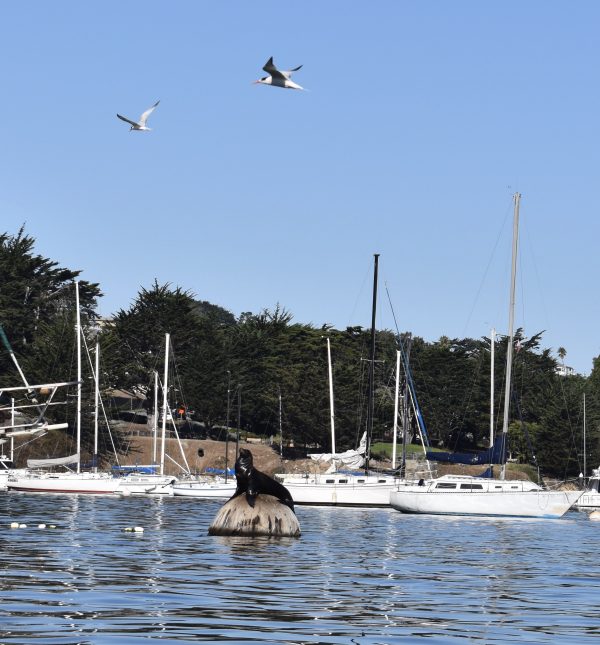
 And some that are not birds.